
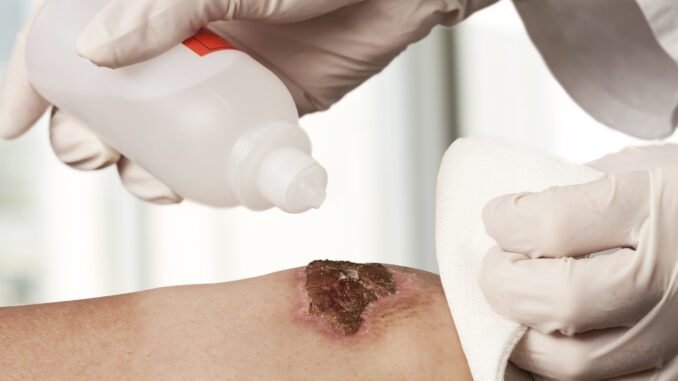
Irrigation is an important part of wound cleansing and is required for the treatment of both acute and chronic wounds. It’s an important aspect of bioburden and biofilm control.
Cleaning by wound irrigator removes exudate, slough, death debris, microbial pollutants, and dressing residue without interfering with cellular activity, which is necessary for wound healing.
Every time a dressing is changed, a wound is assessed, or a surgical operation is performed, it should be done.
What Solution Should Be Used for Irrigation?
The only acceptable answer to use can be confirmed by the supplier. Usually, potable water or an isosmotic solution is employed. They are, however, ineffective in dealing with bioburden or wound detritus.
A wound irrigation device containing non-cytotoxic, pH-balanced antimicrobials and wetting agent agents is more effective at removing microbes and debris from the wound bed.
The quantity of irrigation solutions utilized is determined by the size of the wound as well as the amount of cleansing and trash removal necessary.
What Are the Different Types of Irrigation Devices Available?
Irrigation of Wounds Bulb syringes, hypodermics, pressure compulsion, a vortex mischief-maker, a whirlpool hose sprayer, irrigation fluid in plastic containers with a pour lid or nozzle, and monthly irrigation are among the devices used for irrigation (e.g., jetty lavage, mechanical irrigation, pulsatile irrigation, mechanical irrigation, hard-hitting irrigation.)
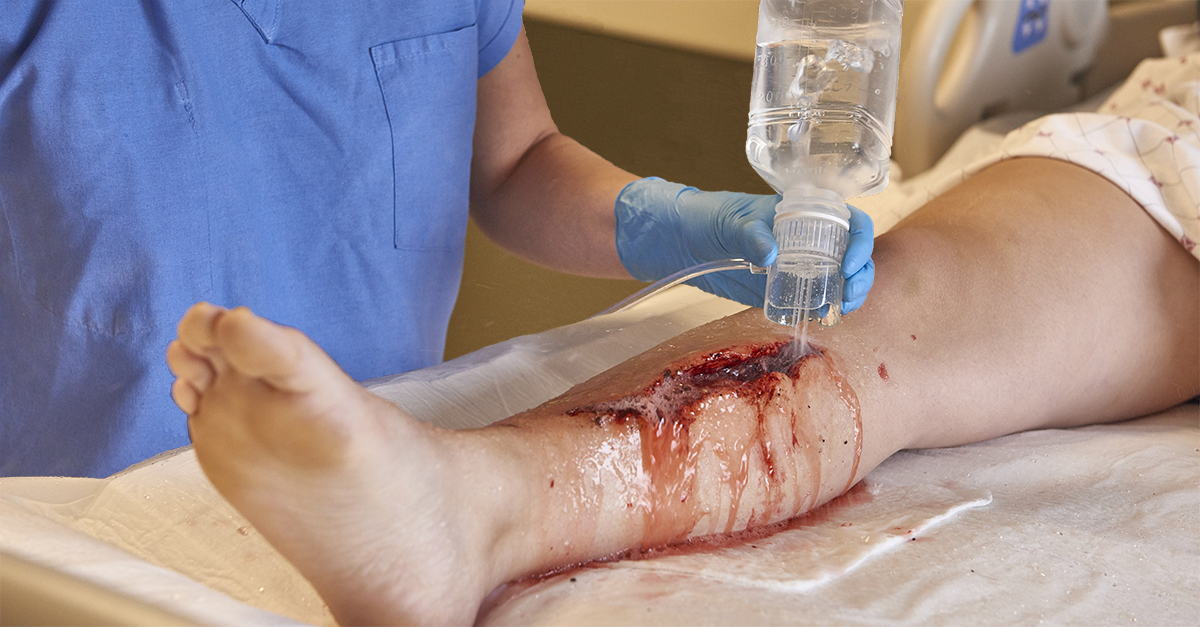
Pulsed irrigation devices may also include a pulsating irrigator that causes soft tissue recoil, which aids in the removal of debris and bioburden.
When Ought Irrigation Be Used Meagerly or Not At All?
When irrigating sections of undermining or tunneling, extreme caution should be exercised, and this should only be done if the planet has reached a fabled endpoint.
Stop irrigating and notify the attention provider if the fluid is injected into a sinus, tunnel, or undermined space and can’t be isolated from the outside world. Irrigate wounds that are actively hurting as little as possible.
Irrigation of an actively wounded associate’s wound may dislodge a clot.
Wrapping up
The removal of debris and biofilms from wounds is impossible without the use of wound irrigator. It is administered in a straightforward manner throughout the course of care, with the provider providing direction on the appropriate resolution and delivery strategy.
The use of wound irrigation may be an essential component of wound cleansing and management, as well as an essential step in the wound healing process. To learn more about this topic visit our website.