

Heart disease is a prevalent health condition that affects millions of people worldwide. It can lead to serious complications and even death if left untreated. However, early detection and proper management can help prevent the progression of heart disease. A heart stress test is one of the essential diagnostic tools that can help identify heart disease early and develop an effective treatment plan. In this article, we’ll discuss how a heart stress test can help you manage and prevent heart disease.
What is a Heart Stress Test?
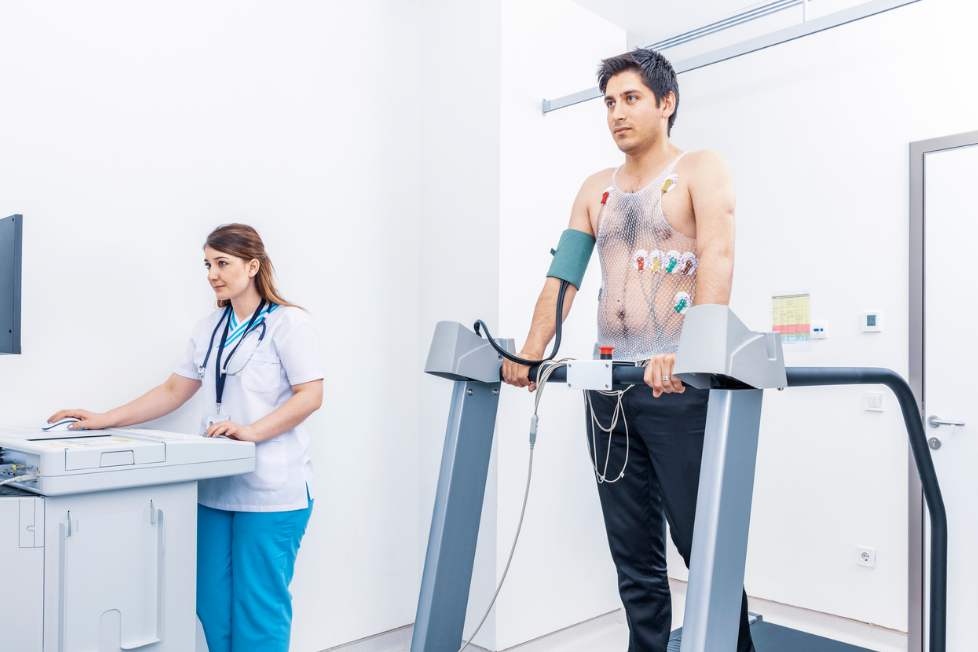
A heart stress test is a diagnostic test that measures how well your heart works during physical activity. During the test, you’ll be asked to walk on a treadmill or ride a stationary bike while your heart rate, blood pressure, and electrocardiogram (ECG) are monitored.
Early Detection of Heart Disease
One of the main benefits of a heart stress test is that it can detect heart disease early. Heart disease can develop slowly over time, and you may not experience any symptoms until it has progressed significantly. A heart anxiety test can help identify the early signs of heart disease, such as reduced blood flow to the heart before symptoms develop.
Developing an Effective Treatment Plan
If a heart disease is detected during a heart strain test, your doctor can develop an effective treatment plan. Treatment options may include medication, lifestyle changes, and in some cases, surgery. The earlier heart disease is detected, the more effective the heart treatment plan can be.
Preventing Heart Disease
A stress test can also help prevent heart disease by identifying risk factors and making lifestyle changes. Your doctor may recommend a heart stress test if you have a family history of heart disease or if you have risk factors such as high blood pressure, high cholesterol, or diabetes.
If the results of your heart stress test are normal, your doctor may still recommend lifestyle changes such as regular exercise, a healthy diet, and quitting smoking to prevent heart disorders. By making these lifestyle changes, you can reduce your risk of developing heart disease and improve your overall heart health.
Conclusion
A heart stress test is a vital diagnostic tool that can help determine heart disorders early, develop an effective treatment plan, and prevent heart disease by identifying risk factors and making lifestyle changes. It is a safe and non-invasive procedure that can provide valuable information about your heart health. If you have concerns about your heart health or have risk factors for heart disease, talk to your doctor about whether a heart stress test is right for you.