
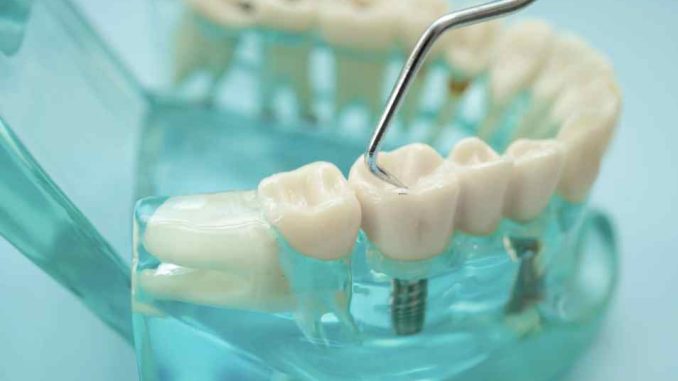
A toothache can start as a mild annoyance and become difficult to ignore. You may notice discomfort when drinking something cold, pain while chewing, or a dull ache that seems to come and go. Because many toothaches begin with manageable symptoms, it is easy to put off getting them checked.
A helpful explanation of how deeper tooth problems are evaluated and treated can be found through Hughson Dental Implants. The important point is that tooth pain is not always caused by a simple cavity. When inflammation or infection reaches the inner part of a tooth, treating the underlying problem becomes more important than simply controlling the pain.
Why a Tooth Can Hurt
Inside every tooth is a soft area called the pulp. It contains nerves and blood vessels. The pulp is protected by the harder layers of the tooth, but decay, cracks, trauma, or other damage can eventually reach it.
Once the pulp becomes inflamed or infected, the symptoms can become more noticeable.
Common warning signs include:
- Pain when biting or chewing
- Sensitivity to hot or cold foods
- Pain that continues after the food or drink is gone
- A deep, throbbing toothache
- Swelling around the tooth
- Tenderness in the surrounding gum
- A pimple or bump on the gum
- Discoloration of the tooth
Not every toothache means the pulp is infected. However, persistent or worsening symptoms deserve attention because the cause cannot be determined from pain alone.
Why Painkillers Do Not Fix the Cause
Over-the-counter pain medicine can temporarily make a toothache easier to tolerate. It does not repair decay, seal a crack, or remove infected tissue.
This distinction is important.
If an infected pulp remains untreated, the problem may continue to develop even when the pain temporarily improves. In some cases, pressure from infection can eventually lead to an abscess.
That is why relying on pain relief alone can create a false sense that the problem has disappeared.
What Happens During an Examination?
A dentist will usually begin by asking about your symptoms and when they started. You may be asked whether the pain occurs spontaneously, during chewing, or after exposure to hot and cold foods.
The tooth and surrounding tissues can then be examined.
Dental X-rays may also be used to look for changes around the root or other signs that are not visible during a routine visual examination.
The goal is to determine whether the problem is coming from the pulp, the surrounding tissues, the gum, or another source.
Pay Attention to the Pattern of Pain
The timing of pain can provide useful information.
For example, brief sensitivity that disappears quickly may have a different cause from pain that lingers after exposure to cold or heat. Pain that appears when biting may also point toward a different problem than a spontaneous, throbbing ache.
These details are worth mentioning during an appointment rather than simply saying, “My tooth hurts.”
When Root Canal Treatment May Be Needed
Root canal treatment is used when the pulp inside a tooth becomes severely inflamed or infected and cannot recover.
During treatment, the damaged pulp is removed from inside the tooth. The space is cleaned, shaped, and sealed to reduce the chance of further infection.
The purpose is not simply to eliminate pain. It is also to remove the source of infection while preserving the natural tooth when possible.
This is an important distinction because people sometimes assume that a root canal means the tooth has to be removed. In many situations, the opposite is true: root canal therapy is intended to allow the natural tooth to remain in place.
What If a Previous Root Canal Did Not Solve the Problem?
A tooth that has already received root canal treatment can occasionally develop problems again.
Possible reasons include untreated areas inside the tooth, a new infection, leakage around a restoration, or a fracture.
When this happens, endodontic retreatment may be considered. The exact solution depends on what caused the problem and whether the tooth can still be restored.
In some cases, a surgical procedure called an apicoectomy may also be considered. This involves addressing infection around the end of a tooth’s root.
Why Saving a Natural Tooth Can Matter
Natural teeth are designed to work together. Losing one tooth can affect chewing and may allow neighboring teeth to shift over time.
Preserving a natural tooth, when it is healthy enough to restore, can therefore have benefits beyond solving the immediate pain.
That does not mean every tooth should be saved at all costs. A severely fractured or otherwise unrestorable tooth may require extraction. The appropriate choice depends on the condition of the tooth and surrounding structures.
When a Toothache Should Be Treated Urgently
Some symptoms should not be ignored.
Seek prompt dental evaluation if you experience:
- Facial or jaw swelling
- Fever combined with tooth pain
- Difficulty swallowing
- Difficulty breathing
- Rapidly increasing swelling
- Severe pain that interferes with normal activities
- A suspected dental abscess
Swelling that affects breathing or swallowing can be a medical emergency and should receive immediate attention.
What You Can Do Before the Appointment
While waiting to have a painful tooth evaluated, a few simple steps may help reduce irritation.
Try to:
- Avoid chewing on the painful side
- Choose softer foods temporarily
- Avoid extremely hot or cold foods if they trigger pain
- Continue brushing gently
- Clean between the teeth carefully
- Follow the label instructions for any over-the-counter pain medicine you use
Do not place aspirin directly against the gum or tooth. It can irritate the soft tissue.
The Main Lesson
A toothache is a symptom, not a diagnosis. Mild sensitivity, deep pulp inflammation, infection, cracks, and other problems can produce overlapping symptoms.
The most useful approach is to pay attention to how the pain behaves, avoid masking the problem indefinitely with pain medicine, and have persistent symptoms evaluated.
When the inner tissues of a tooth are involved, timely treatment may help control infection, relieve discomfort, and preserve the natural tooth. The sooner the cause is understood, the more clearly you can choose the appropriate next step.