
Pregnancy is a transformative journey, both physically and emotionally. For expectant mothers, attending an antenatal clinic regularly is more than a routine task; it’s a proactive step toward ensuring a healthy pregnancy, safe delivery, and overall maternal well-being.
These check-ups provide valuable monitoring and support that benefit both mother and baby from early pregnancy through to birth.
Early Detection of Health Issues
One of the most vital benefits of antenatal check-ups is the early identification of potential complications. Conditions such as gestational diabetes, preeclampsia, and anaemia can develop silently. Regular visits allow healthcare professionals to detect these problems early and manage them effectively, reducing risks to both the mother and the baby.
Monitoring Baby’s Development
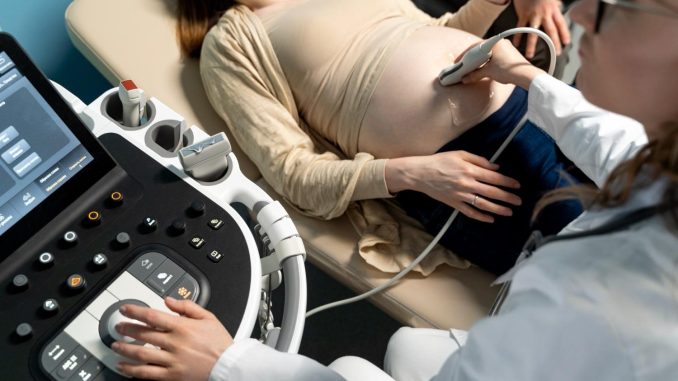
At each visit, the baby’s growth and development are tracked through ultrasounds, physical exams, and heartbeat monitoring. This ongoing observation ensures the baby is progressing as expected and provides reassurance for the parents. If any developmental delays or concerns are spotted, timely interventions can be arranged.
Guidance on Nutrition and Lifestyle
Nutrition plays a crucial role in pregnancy, and antenatal visits often include personalised advice on diet, supplements, and exercise. Midwives and doctors can guide expectant mothers on how to maintain healthy weight gain, manage morning sickness, and avoid common food-related risks such as listeria or mercury exposure.
Emotional and Mental Health Support
Pregnancy brings a mix of joy, anxiety, and hormonal changes, which can affect mental well-being. Antenatal clinics provide a safe space to discuss emotional concerns, screen for prenatal depression, and offer support or referrals if needed. This emotional care is just as important as the physical health checks.
Birth Preparation and Education
Regular appointments help mothers (and partners) prepare for labour and delivery. Clinics often provide antenatal classes that cover pain relief options, birth planning, breastfeeding, and newborn care. Being well-informed about the birthing process empowers parents to make confident decisions during delivery.
Building a Trusting Relationship with Healthcare Providers
Repeated visits help establish a strong, trusting relationship between the expectant mother and her care team. This continuity of care is essential for personalised support and building confidence, especially for first-time parents. It also improves communication, making it easier to discuss sensitive topics.
Consistent visits to an antenatal clinic are fundamental to ensuring the safety and well-being of both mother and baby. Beyond medical monitoring, these appointments offer guidance, reassurance, and preparation throughout the pregnancy journey, helping parents feel more supported and informed every step of the way